Is Engineering a Good Career in 2026 or Not? Full Analysis
Published: April 14, 2026 · 11 min read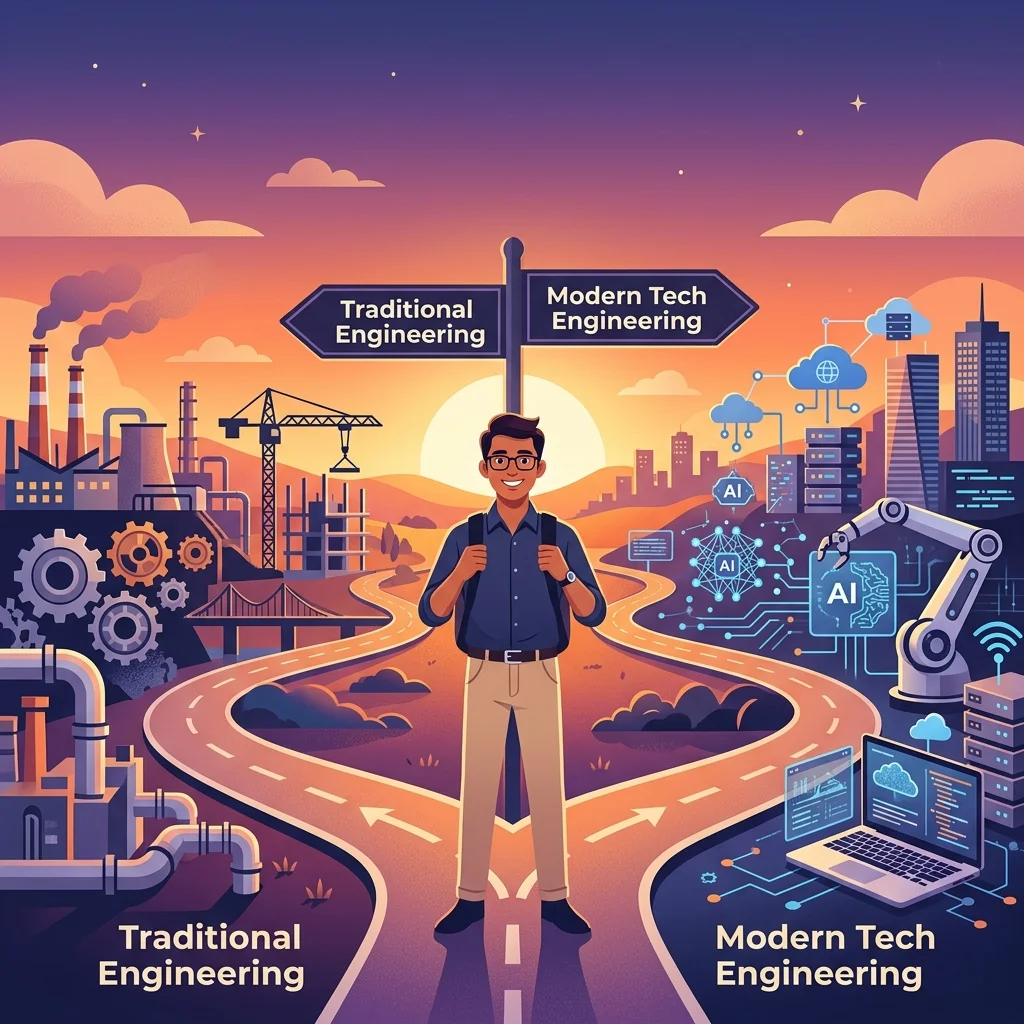
Choosing a professional path feels daunting as technology shifts the global landscape. Many students and professionals wonder: Is Engineering Still Worth It in 2026? The rapid rise of automation and artificial intelligence has changed how we view technical roles.
You might worry if your degree will hold value as industry requirements evolve. However, the demand for skilled problem solvers remains high across various sectors. Understanding the nuances of an engineering career in 2026 helps you navigate these changes with confidence.
Key Takeaways
- Technical skills remain vital for global economic development.
- Artificial intelligence acts as a tool rather than a replacement for human ingenuity.
- Adaptability is the most important trait for long-term professional success.
- Specialized fields like green energy and data science offer high growth potential.
- Continuous learning ensures your expertise stays relevant in a competitive market.
The Current State of the Engineering Landscape in India
India's engineering sector is moving away from traditional classroom models toward a more hands-on, skill-based approach. Companies are no longer satisfied with just a degree; they now demand proven practical expertise from every new hire.
Shifting Trends in the Indian Job Market
The Indian job market is currently prioritizing candidates who can solve real-world problems immediately. Recruiters are shifting their focus toward portfolios and project-based learning rather than just academic grades. Employers are increasingly looking for adaptability and continuous learning.
The Impact of Automation and Artificial Intelligence
Automation and artificial intelligence are rapidly changing the nature of entry-level engineering roles. Many repetitive tasks that were once handled by junior engineers are now being automated by smart software. While this creates concerns about job stability, it also opens doors for more creative and analytical positions.
| Feature | Traditional Approach | Modern Requirement |
|---|---|---|
| Primary Focus | Theoretical Knowledge | Practical Application |
| Skill Set | General Engineering | Specialized Tech Skills |
| Career Path | Linear Progression | Agile and Dynamic |
| Tool Usage | Manual Processes | AI and Automation |
Is Engineering Still Worth It in 2026?
Many students and parents feel uncertain about the rising costs of higher education in India. However, the demand for skilled technical professionals remains a cornerstone of the global economy. To determine if this path is right for you, we must look beyond the initial tuition fees.
Evaluating Return on Investment for Engineering Degrees
Calculating the return on investment (ROI) involves comparing your total educational expenses against your projected lifetime earnings. While tuition costs have increased, the long-term growth trajectory for engineers often outpaces many other professional fields.
- Initial Salary Potential: Entry-level roles in top firms offer competitive packages that help recover costs quickly.
- Career Stability: Engineering roles provide a level of job security that is highly valued in volatile economic climates.
- Skill Versatility: The analytical mindset is transferable to management, finance, and entrepreneurship.
Comparing Traditional Engineering vs. Modern Tech Roles
| Category | Traditional Engineering | Modern Tech Roles |
|---|---|---|
| Primary Focus | Physical Infrastructure | Digital Systems and Data |
| Industry Growth | Steady and Essential | Rapid and Disruptive |
| Entry Salary | Moderate | High |
| Career Path | Project Management | Specialized Tech Leadership |
Traditional roles offer deep domain expertise that is difficult to automate. Modern tech roles like Data Science or AI development offer faster salary growth. Both paths remain highly viable.
Analyzing the Value of a B.Tech Degree Today
A degree provides the theoretical framework, but the competitive edge now comes from practical application and internships. Graduates who treat their four-year program as a launchpad rather than a finish line find significantly higher success rates.
| Metric | Traditional View | Modern Reality |
|---|---|---|
| Primary Focus | Degree Completion | Skill Acquisition |
| Job Readiness | Academic Grades | Portfolio and Projects |
| Career Path | Linear Progression | Agile Adaptation |
The Importance of Skill Specialization
General engineering knowledge is no longer enough. Employers actively seek candidates with niche expertise. Focus on these high-growth areas:
- Cloud Architecture and distributed systems.
- AI-driven automation for manufacturing processes.
- Cybersecurity protocols for enterprise infrastructure.
- Sustainable energy systems and grid management.
High-Demand Engineering Sectors for the Future
Growth Potential in Renewable Energy and Sustainability
The global transition toward greener energy is creating a massive need for skilled engineers. India is investing heavily in solar, wind, and hydrogen power. This field offers both job security and a sense of purpose.
The Rise of Semiconductor and Hardware Engineering in India
India is rapidly becoming a global hub for semiconductor manufacturing and hardware design. Government initiatives encourage companies to set up fabrication units, increasing demand for hardware talent.
Software Development and Data Science Integration
Modern engineering is increasingly defined by the fusion of software development and data science. Engineers who master these tools can command higher salaries and work across diverse industries.
| Sector | Primary Focus | Growth Outlook |
|---|---|---|
| Renewable Energy | Sustainability and Storage | Very High |
| Semiconductors | Hardware and Fabrication | High |
| Data Science | Analytics and AI | Very High |
Essential Skills Every Modern Engineer Needs
Bridging the Gap Between Theory and Practical Application
Academic programs often focus on theoretical concepts, but employers prioritize hands-on experience. Engaging with open-source platforms allows you to apply classroom lessons to actual problems. Building a portfolio of completed projects is often more valuable than a high GPA alone.
Soft Skills and Their Role in Career Advancement
Technical proficiency will get you through the door, but soft skills help you climb the corporate ladder. Effective communication, leadership, and teamwork are equally important in collaborative, cross-functional groups.
Challenges Facing Engineering Graduates in 2026
Navigating Competitive Job Markets
The job market in India has become highly saturated. Many graduates expect high starting salaries immediately, but the reality often involves a period of growth. Setting realistic financial goals is essential.
Overcoming the Skill Mismatch
| Challenge | Impact | Mitigation Strategy |
|---|---|---|
| Theoretical Focus | Lack of practical experience | Build a portfolio of projects |
| High Competition | Difficulty getting interviews | Network and gain certifications |
| Salary Gaps | Unmet financial expectations | Focus on skill-based value |
Strategies for Building a Future-Proof Engineering Career
Continuous Learning and Professional Certifications
Prioritize upskilling through platforms like NPTEL, Coursera, or industry-specific bootcamps. Earning recognized certifications in emerging fields like cloud computing, AI, or green energy significantly boosts your market value.
Networking and Building a Strong Professional Portfolio
Engage with peers on LinkedIn or attend industry conferences. Document your projects on platforms like GitHub to showcase your problem-solving skills.
| Strategy | Primary Benefit | Action Item |
|---|---|---|
| Continuous Learning | Skill Relevance | Complete 2 certifications yearly |
| Active Networking | Career Opportunities | Attend 3 industry events |
| Portfolio Building | Demonstrable Impact | Update project repository monthly |
Conclusion
Engineering remains a powerful path for those ready to embrace constant change. The landscape in 2026 rewards professionals who treat their degree as a starting point rather than a finish line. Success depends on your ability to adapt to new tools and shifting industry needs.
Focus your energy on building a portfolio that highlights real-world problem solving. Seek out certifications that bridge the gap between academic theory and current market demands. Use our College Predictor to find the right college that aligns with your career goals.
Frequently Asked Questions
Is engineering still worth it given the rapid advancements in AI?
Absolutely. While AI is changing the tools we use, engineering comes down to the human ability to solve complex, creative problems. Companies continue to seek engineers who can oversee AI systems, ensuring they are integrated safely and efficiently.
Is engineering worth it in 2026 for students concerned about the job market?
Yes. While the cost of education has risen, starting salaries for engineers, especially in niche technical fields, remain significantly higher than the national average. The key is to choose a path aligned with future-facing industries like robotics or biotechnology.
What will a typical engineering career in 2026 look like?
An engineering career in 2026 will be defined by interdisciplinary collaboration. You will likely work at the intersection of data science and physical hardware, blending traditional disciplines with software engineering.
Is B.Tech worth it in 2026 for fresh graduates?
Yes, but you must prioritize skill specialization. Graduates who supplement their B.Tech with practical experience in VLSI design, cybersecurity, or cloud computing will find themselves in high demand.
What is the projected demand for engineers in future specialized sectors?
Demand is expected to skyrocket in sectors like renewable energy and semiconductor manufacturing. Engineers who understand solar grid integration or EV infrastructure are becoming invaluable.
How can new graduates overcome the skill mismatch?
Engage in internships and participate in open-source projects for hands-on experience. A strong professional portfolio is as valuable as your GPA to modern employers.
Are soft skills really that important for an engineering career?
Definitely. Technical prowess gets you the job, but communication, leadership, and emotional intelligence lead to promotions and management roles.
What are the best strategies for building a future-proof career?
Adopt a mindset of continuous learning. Pursue professional certifications in emerging technologies and stay active in professional networks to ensure your skills remain relevant.